
 Friday, October 23, 2026
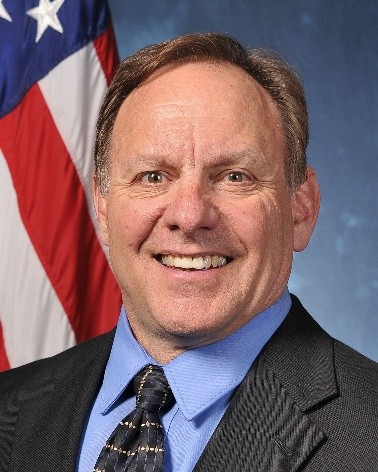
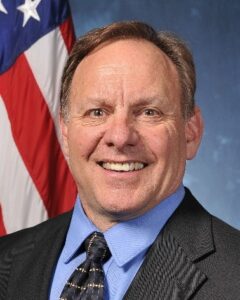
John G. Blitch, Ph.D. presents:
Corroborating Non-Human Abduction Experiences
Abstract:
Indicators of government evidence-suppression regarding UFOs, UAP, and human interaction with non-human entities continue to build. How to corroborate anecdotal accounts of alien abduction? I propose a corroborative approach combining subjective anecdotal accounts with crisp objective measures integrated into a structured evaluation framework. By characterizing and comparing the corroborative strength established for each experiencer account, I hope to bolster the societal impact that multiple corroborated accounts can have as compared to the weaker influence of personal, single-source narratives.
I first review the relevant literature, particularly peer-reviewed articles from the Journal of Scientific Exploration (JSE). I then summarize the inherent limitations of subjective self-reported (SSR) data considered as a form of internal corroboration, followed by a modified approach using crisp objective data (viz., medical records, law-enforcement reports, sensor data, analysis of implant emissions and material composition) for external corroboration. Finally, I seek to establish a corroborative power rating for each case via integration into a structured evaluation process.
I propose to augment abductee-recall sessions via neurophysiological assessment measures (viz., ElectroEncephaloGraphy [EEG], Galvanic Skin Response [GSR], Heart-Rate Variability [HRV]) to help differentiate abduction-related Post-Traumatic Stress Disorders from those caused by events such as catastrophic car accidents, mass shootings, military combat, etc. I conclude that evidence from non-human abductions can provide quantitative and qualitative information regarding humanity’s place in the cosmos.
Bio:
Dr. John G. Blitch (LTC, USA, ret.) is an award-winning cognitive scientist and former DARPA Program Manager with a career spanning nuclear-weapons delivery, Special Forces, and artificially intelligent robotics. In addition to many military deployments, Colonel Blitch’s field experience includes a multitude of disaster-response activities, most notably following the Oklahoma City bombing (1995), World Trade Center attacks (2001), and Hurricane Katrina (2005). Known for unconventional thinking and sharp skepticism—often turned inward—he is now dedicated to advocating for truth, accountability, and, above all, forgiveness in the face of unthinkable terror.